
Ardabil Rug Designs: Traditional Patterns of Azerbaijani Carpets
While the world-famous Ardabil Carpet itself is not individually inscribed on UNESCO's list, the city of Ardabil and the wider Azerbaijani region of Iran are home to a rich and distinguished tradition of carpet weaving. These traditions are embodied in a set of iconic designs and patterns, some of which are recognized within Iran's national intangible heritage. Here are the key traditional patterns associated with Ardabil rugs:
**1. The Prayer (Mihrab) Design:**
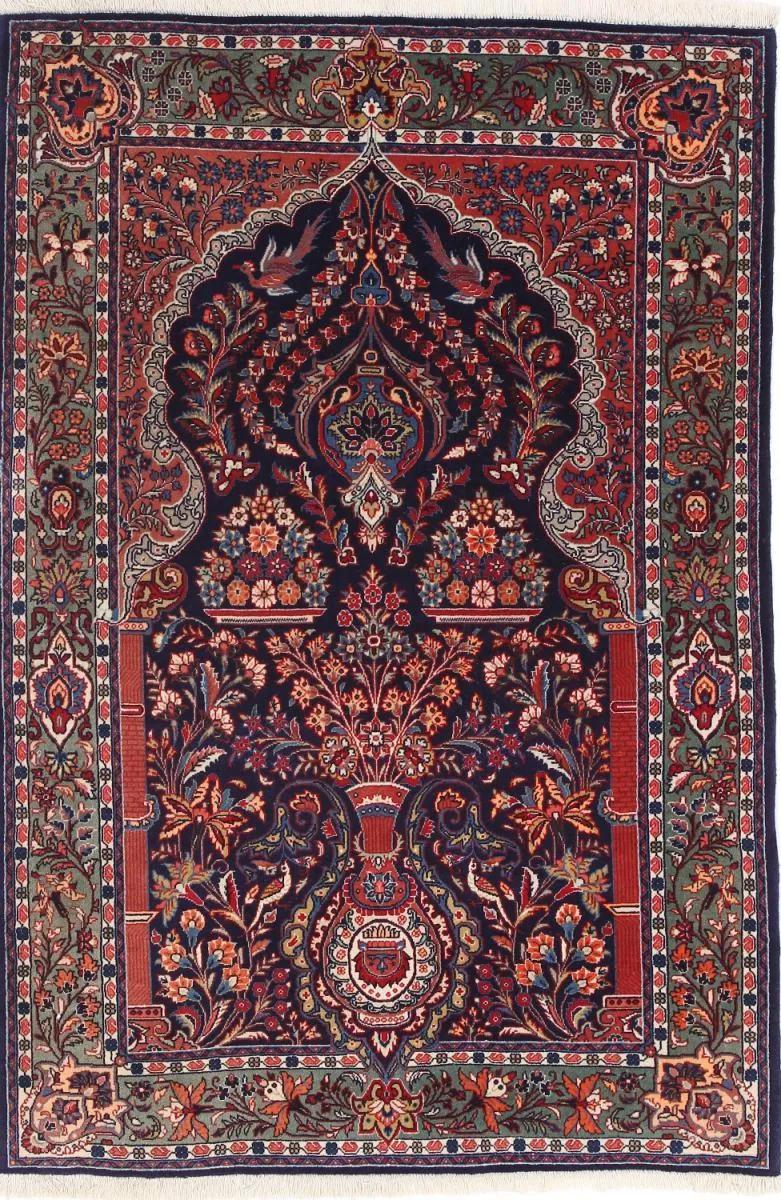
This is the most iconic pattern linked to Ardabil, directly inspired by the masterpiece in London's Victoria & Albert Museum. It features a central arch (mihrab) symbolizing a prayer niche, often with a hanging lamp and two flanking columns. It represents spiritual devotion and is the design that put Ardabil on the map of carpet history.
**2. The Herati (Fish or Mahi) Pattern:**
Known nationally as the Herati pattern, in Azerbaijan and Ardabil it is commonly called the **"Mahi" (Fish) design**. It consists of a rosette surrounded by lancet-shaped leaves that resemble fish swimming in a pond. This pattern is repeated in a continuous, all-over style across the field of the rug.
**3. The Animal and Hunting Scene Design:**
A classic and popular design in the region. The rug's field, often organized around a central medallion and corner pieces (lechek-toranj), is filled with stylized animals in motion, birds, and sometimes narrative hunting scenes, showcasing dynamism and skill.
**4. The Tree-of-Life Design:**
Symbolizing eternity and growth, this pattern features stylized trees, cypresses, willows, flowers, and leaves scattered across the field. It is sometimes combined with animal and bird motifs to create a lively garden-like atmosphere.
**5. The Vase Design:**
Centered around the depiction of one or several vases overflowing with flowers, repeated throughout the rug's length or as a central motif. It is a symbol of abundance and life.
**6. The Panel (Garden or Hashti) Design:**
The entire field of the rug is divided into geometric panels (often hexagonal or diamond-shaped), each filled with floral or smaller geometric motifs, creating a garden-like compartmentalized layout.
**7. The European Floral (Gol-e Farang) Design:**
Popularized during the Qajar era under European influence, this design features naturalistic roses, sprawling leaves, and sometimes entire landscape scenes within the carpet's field.
**Preservation and Recognition:**
Although not on the UNESCO World Heritage list as a specific element, the **Sheikh Safi al-Din Shrine Complex** in Ardabil (a UNESCO World Heritage Site) houses a museum where historical carpets of the region, showcasing these very patterns, are preserved and displayed. Furthermore, the **skills and knowledge** associated with traditional dyeing and weaving in the Ardabil province may be inscribed on **Iran's National Intangible Cultural Heritage List**.
**Conclusion:**
The artistic identity of Ardabil rugs is defined by the majestic **Prayer (Mihrab) design**, but it is beautifully complemented by a repertoire of other patterns like the rhythmic **Herati (Fish)**, the narrative **Animal**, and the symbolic **Tree-of-Life**. Together, they represent the enduring creativity and cultural depth of Azerbaijani weavers in Iran.
Mohammad Eslami