
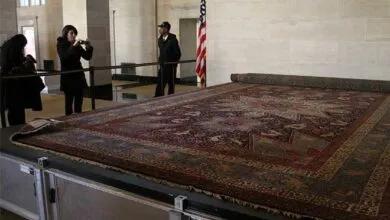
The Story Begins: From Past to Present
The history of Armenian Yatimad handwoven carpets dates back centuries, to a time when the art of carpet weaving developed among various tribes and communities in the region. Every thread in these carpets reflects the skill, patience, and craftsmanship of local artisans, while each motif symbolizes the life, beliefs, and worldview of its region.
In ancient times, these carpets were not only used to adorn homes but also given as prestigious gifts during national and religious ceremonies. The people of the Yatimad region preserved this art as a valuable heritage, passed down from generation to generation, so that perhaps every warp and weft carries a story within it.
The Influence of Local Culture and Beliefs
Yatimad carpets represent religious gatherings, traditional beliefs, and local celebrations. Their patterns and colors often reflect spiritual traditions, myths, and the surrounding nature. For example, symbolic flowers, geometric shapes, and elements like water and fire narrate stories passed down through generations.
From the Artisan’s Hand to Warp and Weft
One of the most remarkable aspects of these carpets is how handmade work transforms into a true work of art, infused with the love and creativity of regional artisans. Weavers, working in small workshops alongside their families, use skillful hands and heartfelt dedication to create these masterpieces. The artistry of these weavers truly comes alive when sunlight illuminates the warp and weft, highlighting the vibrant patterns.
Cultural and Economic Heritage
Preserving and promoting this art in today’s world is of great importance. Yatimad carpets are not only a symbol of Iranian art but also play a significant role in the local economy. Exporting these carpets to global markets conveys the language of Iranian culture and artistry to the world, strengthening both the economic and cultural identity of the region.
In Conclusion
An Armenian Yatimad handwoven carpet is more than just a work of art; it is a story, an identity, and a symbol of patience, skill, and love for Iran. Each time we see these carpets, we touch the history of the land and preserve the precious legacy of generations past.